Use of funds
The chart below shows how reported project spending has been allocated across eligible green project categories for Lewisham Council.

Amount spent
£0
Projects financed
0
Investments
0
Lewisham Council want to reach net zero by delivering sustainable transport projects across the borough.
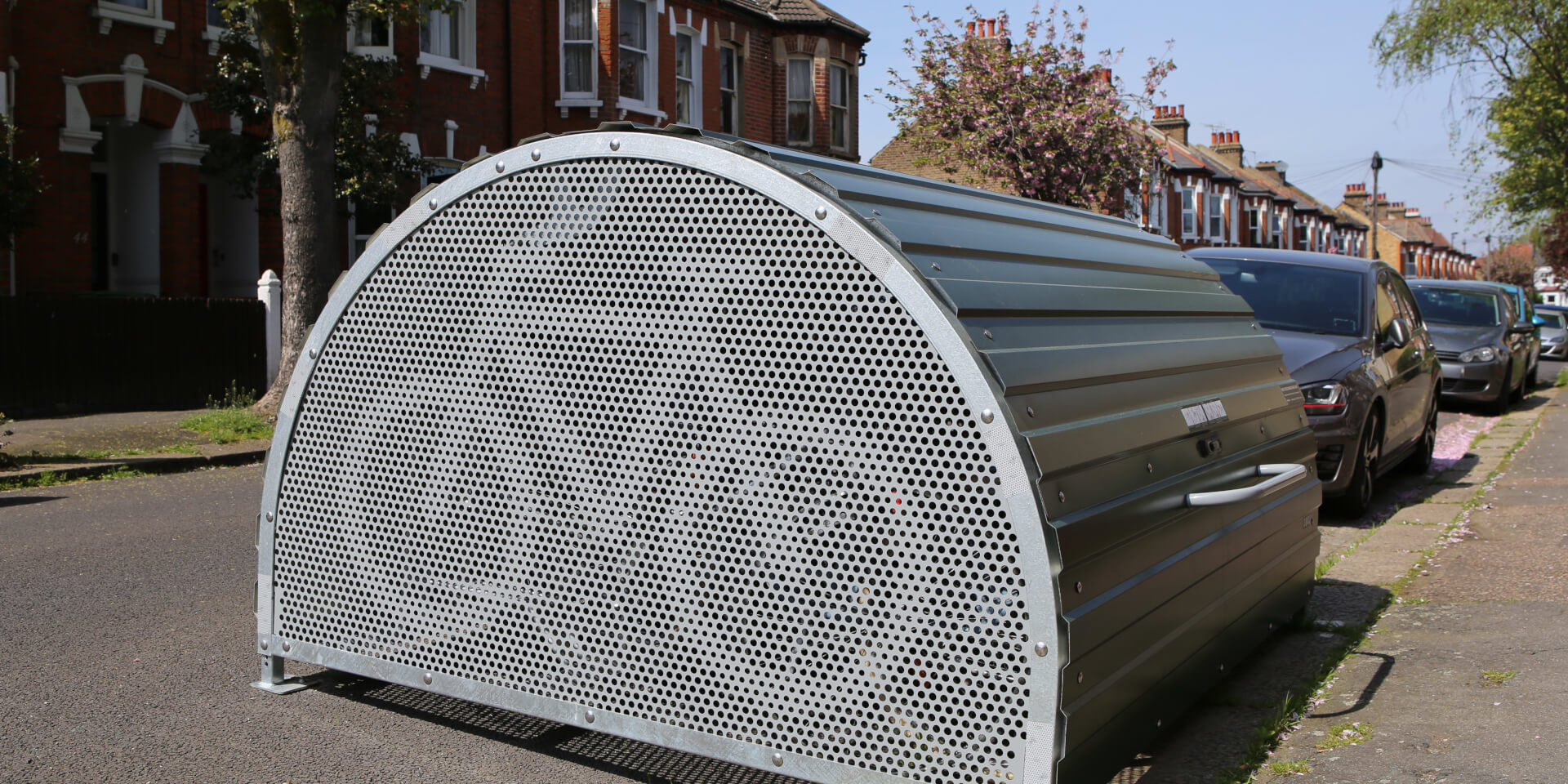
Lewisham Council has used the funds raised to support sustainable transport projects, and to help make it easier for residents to get around the borough. This includes the installation of secure cycle hangars, and installation of zebra and signal crossings to make it easier and safer for people to use active travel methods.
It has also supported further School Streets projects, an initiative that aims to create a safer and calmer environment for students at and around school by reducing traffic around schools during peak times. This project will simultaneously tackle congestion, improve air quality at the school gates, and make it easier and safer to walk and cycle to school.
The chart below shows how reported project spending has been allocated across eligible green project categories for Lewisham Council.
In 2019 Lewisham Council was one of the first local authorities to declare a climate emergency, and since then, they have made some great progress towards their climate targets.
They believe that our changing climate is now not a distant future threat and we can all see it clearly impacting where we live. That's why they launched Lewisham’s Climate Emergency Action Plan 2024, a refresh of our strategic plan for action that reflects the scale and urgency of meeting the ambition for Lewisham to be net zero carbon by 2030.